What Backflow Is And Why Plumbing Testing Is Important
People searching for backflow testing are typically looking to ensure their plumbing system is safe and compliant, and local contractors can perform the necessary testing to protect your water supply.
Understanding what backflow is and why plumbing testing is important can help property owners safeguard their water supply and prevent costly issues. Backflow occurs when contaminated water flows backward into the clean water supply, potentially introducing harmful bacteria or pollutants. Regular plumbing testing by experienced service providers ensures that backflow prevention devices are functioning correctly, helping maintain safe water quality for homes and businesses alike. If you’re a property owner in the area, exploring this topic is a practical step toward protecting your property’s water system and avoiding future complications.
For those managing residential or commercial properties, knowing the significance of backflow and the importance of plumbing testing can lead to better water management practices. Local contractors who specialize in backflow testing can assess your system, identify potential vulnerabilities, and recommend appropriate measures to keep your water safe. Staying informed about this subject not only promotes peace of mind but also ensures that your property remains compliant with local standards. Keep reading to discover how professional backflow testing services can help you maintain a secure and reliable water supply.
- Backflow testing - is essential when property owners need to ensure their drinking water remains uncontaminated, with local contractors performing thorough inspections to detect potential backflow issues.
- Plumbing testing - helps identify cross-connections that could cause backflow, with service providers using specialized equipment to evaluate system integrity.
- Backflow prevention device installation - may be required after testing reveals vulnerabilities, with local pros installing and maintaining devices to prevent contamination.
- Routine backflow inspections - are recommended for properties with irrigation or industrial systems, with local contractors conducting regular checks to maintain water safety.
- Emergency backflow repair services - are available if testing uncovers immediate risks, with service providers quickly addressing issues to protect water quality.
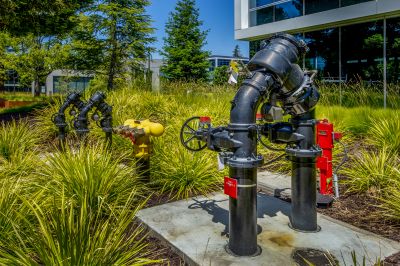
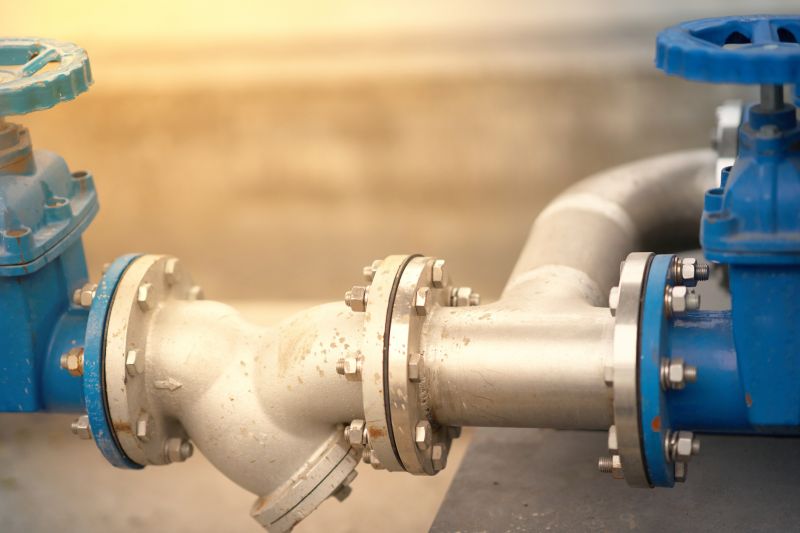
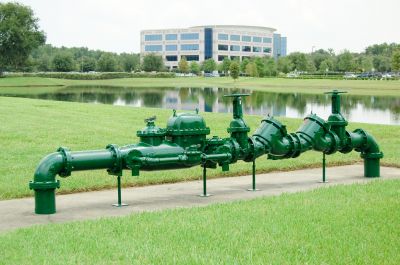
Understanding what backflow is and why plumbing testing is important helps homeowners grasp a key aspect of maintaining a safe and functional water supply. Backflow occurs when contaminated water flows backward into the clean water lines, potentially introducing pollutants or harmful substances into a household’s drinking water. This situation can happen due to pressure changes in the water system, such as during firefighting activities, water main repairs, or sudden demand surges. When searching for information on this topic, many people are typically concerned about protecting their family’s health, preventing water contamination, and ensuring that their plumbing systems meet local safety standards. Recognizing the significance of backflow prevention and testing can help homeowners plan for necessary inspections and installations that safeguard their water quality.
Backflow testing is closely related to a variety of plumbing problems and planning efforts. For property owners, it often ties into larger projects like installing backflow prevention devices, upgrading aging plumbing infrastructure, or complying with local regulations. Properties that rely on well water, have irrigation systems, or are part of commercial or multi-unit residential complexes are especially likely to require regular backflow testing. These tests verify that backflow prevention devices are functioning correctly and that no cross-connections exist that could allow contaminated water to enter the potable water supply. When issues are detected during testing, it prompts repairs or replacements that help prevent health hazards and costly water damage, making testing a vital step in ongoing plumbing maintenance.
Certain types of properties are more commonly associated with backflow concerns. Residential homes, particularly those with private wells or irrigation systems, often need to monitor for potential backflow issues. Commercial properties such as restaurants, grocery stores, and office buildings may have complex plumbing systems that require periodic testing to meet health and safety codes. Multi-family dwellings or properties with fire suppression systems also fall into this category, as they often involve interconnected water lines that could pose risks if backflow occurs. For homeowners, understanding whether their property includes features like irrigation or fire sprinkler systems can help determine the importance of regular backflow testing and prevent unexpected problems that could disrupt water safety or lead to costly repairs.
Local service providers who specialize in backflow testing play a crucial role in helping property owners address these concerns. These professionals have the expertise to assess plumbing systems, install backflow prevention devices, and perform routine tests to ensure everything functions properly. Engaging experienced contractors for backflow testing can help identify potential issues early, avoid violations of local codes, and maintain a safe water supply. For homeowners planning renovations or upgrades, connecting with local pros ensures that backflow prevention measures are correctly integrated into their plumbing systems. Ultimately, working with qualified service providers helps property owners stay ahead of potential problems and keep their water systems safe and compliant with local standards.
Backflow Prevention Installation - local contractors can install backflow prevention devices to protect water supplies, requiring knowledge of plumbing systems and testing procedures.
Water Line Inspection - plumbers perform thorough inspections of water lines to identify potential backflow risks and ensure system integrity.
Leak Detection Services - identifying leaks in plumbing systems helps prevent backflow issues and maintains safe water quality.
Backflow Device Repair - skilled service providers repair or replace faulty backflow prevention devices to ensure proper functioning.
Routine Plumbing Testing - regular testing of plumbing systems by local pros helps detect backflow problems early and maintain compliance.
Water Quality Testing - professionals assess water quality to identify contamination caused by backflow or other plumbing issues.
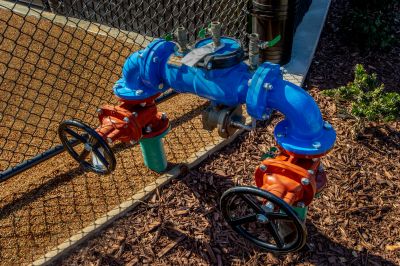
When comparing service providers for backflow testing, it’s important to consider their experience with similar projects. Homeowners should inquire about how long a contractor has been performing backflow testing and whether they have handled systems comparable in size and complexity to their own. An experienced contractor is more likely to understand the specific requirements of plumbing testing related to backflow prevention devices, ensuring that the work is completed accurately and efficiently. Additionally, verifying that a provider has a solid track record with similar jobs can help build confidence that the testing will meet necessary standards and local regulations.
Clear written expectations are a key factor when evaluating potential service providers. Homeowners should seek detailed descriptions of the scope of work, including what the testing will involve, what equipment will be used, and what the homeowner can expect during the process. Transparent communication about the steps involved helps prevent misunderstandings and ensures that everyone is on the same page. Service providers who offer thorough explanations and detailed estimates demonstrate professionalism and a commitment to clarity, making it easier for homeowners to compare options and choose a contractor that aligns with their needs.
Reputable references and good communication are essential when selecting a backflow testing professional. Homeowners can ask for references from previous clients or look for reviews that highlight the contractor’s reliability and quality of service. A contractor who communicates clearly and promptly can make the testing process smoother and less stressful. Good communication also ensures that homeowners receive all necessary information about the testing results, potential issues, and any follow-up steps. Prioritizing service providers with positive references and responsive communication helps ensure the backflow testing is handled professionally and efficiently.
Property owners often search for what backflow is and why plumbing testing is important when they are planning practical projects around their homes and businesses. Local pros provide Backflow Testing services for everyday jobs and straightforward project options.
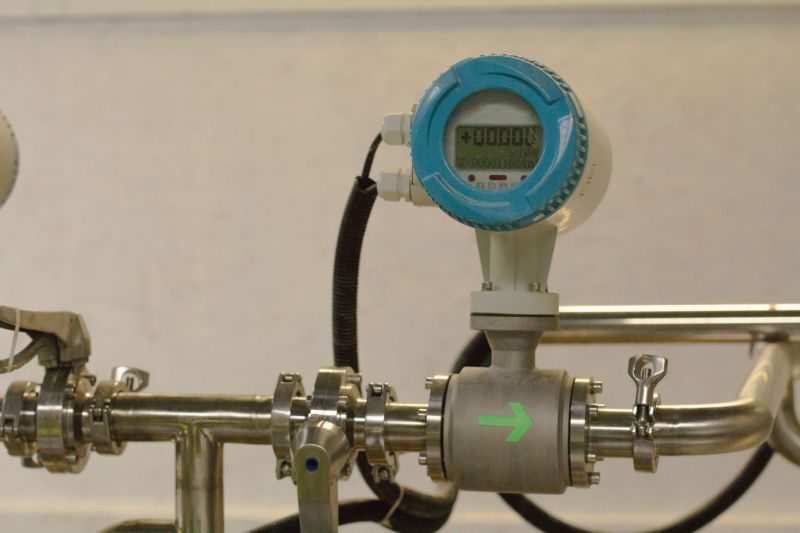
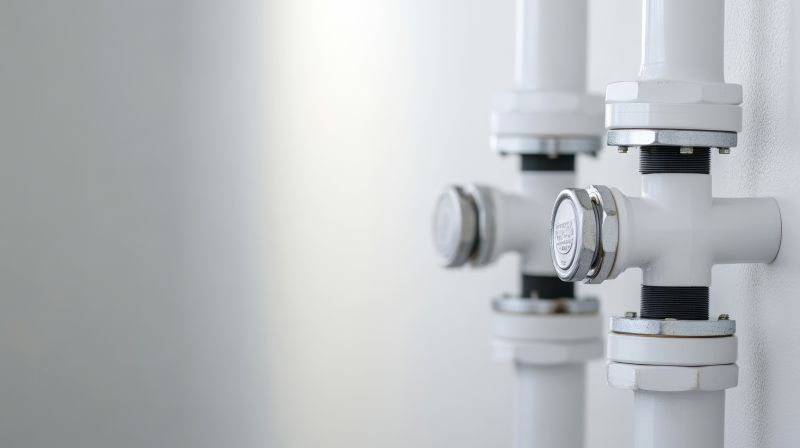
Understanding what backflow is and why plumbing testing is important can help property owners ensure their water systems remain safe and functional. Backflow occurs when contaminated water reverses flow into the clean water supply, potentially introducing harmful bacteria or pollutants. This situation can happen due to changes in water pressure or plumbing issues, making regular testing essential to detect and prevent backflow problems before they cause health concerns or damage to the plumbing system.
For those in the area considering backflow testing services, local contractors are equipped to assess and maintain the integrity of a property’s plumbing system. Routine testing can identify issues early, helping to avoid costly repairs or water contamination. Property owners seeking reliable solutions can compare local service providers to find experienced professionals who specialize in backflow prevention and testing, ensuring their water supply remains safe and compliant with local standards.
What is backflow in plumbing? Backflow occurs when contaminated water flows backward into the clean water supply, potentially causing health hazards. Local contractors can perform backflow testing to identify and prevent this issue.
Why is backflow testing important? Backflow testing helps ensure that drinking water remains safe by detecting and addressing any backflow problems early. Professional plumbing services can conduct these tests accurately.
How do plumbers test for backflow issues? Plumbing professionals use specialized equipment to check for reverse water flow and assess the integrity of backflow prevention devices, ensuring they function properly.
What are the risks of not testing for backflow? Ignoring backflow testing can lead to water contamination, health risks, and potential damage to plumbing systems. Regular testing by experienced service providers helps mitigate these risks.
Who can handle backflow testing services? Local plumbing contractors with experience in backflow prevention can perform testing and maintenance to keep water systems safe and compliant.
Understanding backflow prevention - property owners can learn how backflow issues might affect their water quality and seek backflow testing services to ensure proper system operation.
Scheduling regular testing - arranging periodic plumbing tests with local contractors can help detect potential backflow problems before they cause contamination.
Identifying risk areas - property owners can identify vulnerable points in their plumbing where backflow might occur and have local pros install or maintain backflow preventers.
Maintaining plumbing systems - keeping plumbing systems in good condition and having backflow testing performed regularly can prevent costly repairs and water quality issues.
If you are thinking about what backflow is and why plumbing testing is important for a property, this guide is meant to help you understand this topic, the typical project types, and how different options might fit your plans.
When you are ready, you can use the quote form on this page to share a few details about your project. From there, local pros can review the basics and follow up with options that match what you have in mind.